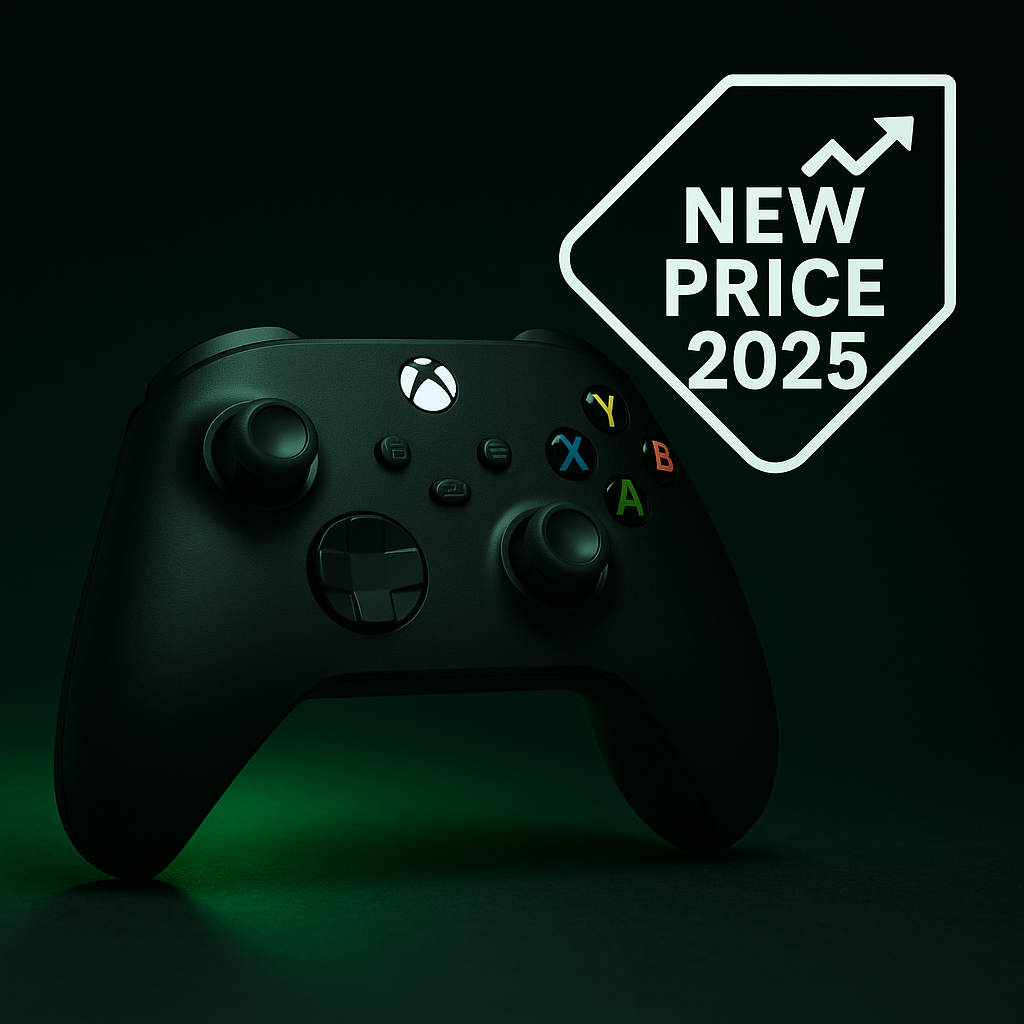


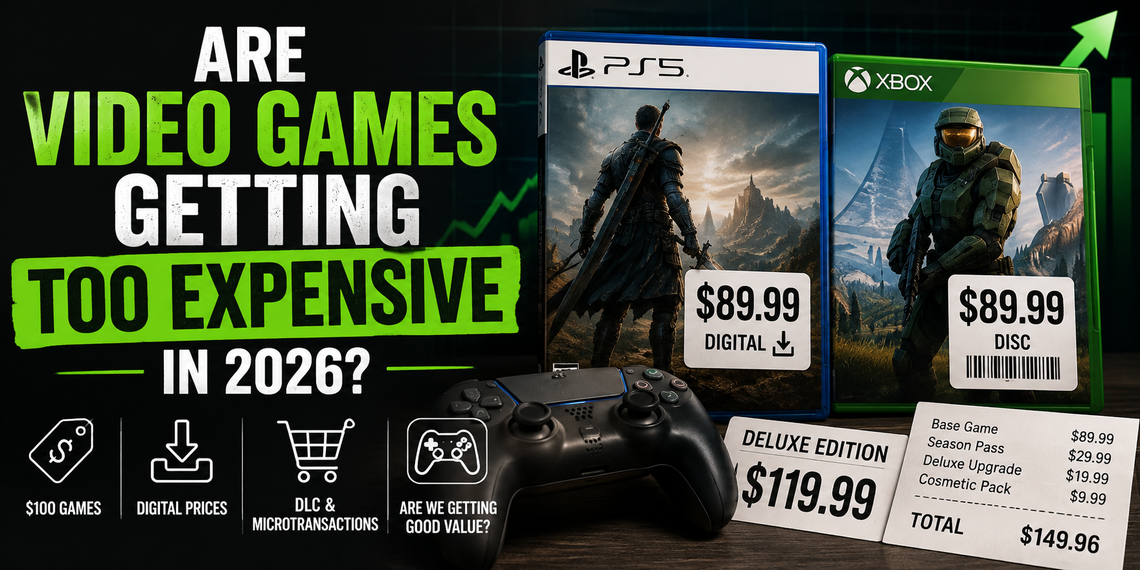
Video game prices 2026 are becoming a major concern for Canadian gamers as new releases approach or pass $100 before tax.
Special editions can cost considerably more. Then there are expansion passes, DLC, microtransactions and gaming subscriptions competing for the same budget.
Games have become larger and more expensive to develop. However, players are also being asked to spend more.
So, have video games finally become too expensive?
Video Game Prices 2026: $100 Games Are Becoming Normal
For Canadian gamers, the price of a new release can be difficult to ignore.
Some major games now carry regular prices around $100 CAD. Certain releases can cost even more.
Add sales tax and a single new game can easily cost more than $100.
That changes how people buy games.
Instead of trying something simply because it looks interesting, players may wait for reviews, discounts or subscription availability.
At these prices, buying a game on launch day becomes a much bigger decision.
Video game prices 2026 could also make players more selective about which games deserve a day-one purchase.
Why Does Digital Often Cost the Same as a Disc?
This is one of the hardest parts of modern game pricing to explain to consumers.
A physical game requires a disc or cartridge, packaging, transportation and retail distribution.
A digital game doesn’t require those physical materials.
Yet digital editions of many major games still launch at the same suggested price as their physical versions.
Digital distribution certainly has costs. Platforms operate storefronts, servers, payment systems and download infrastructure.
However, consumers don’t receive a physical product they can put on a shelf, lend to someone or potentially resell.
That makes paying the same price difficult to accept for some players.
You’re paying full price while receiving fewer of the traditional ownership benefits associated with buying a physical copy.
We recently looked deeper at physical and digital games and what ownership actually means for players.
INTERNAL LINK: In WordPress, highlight physical and digital games in the sentence above and link it to your XP Melee article Physical vs Digital Games in 2026: Does Owning Your Games Still Matter?
Nintendo Is Starting to Change Digital Pricing
There is an interesting development happening with Nintendo.
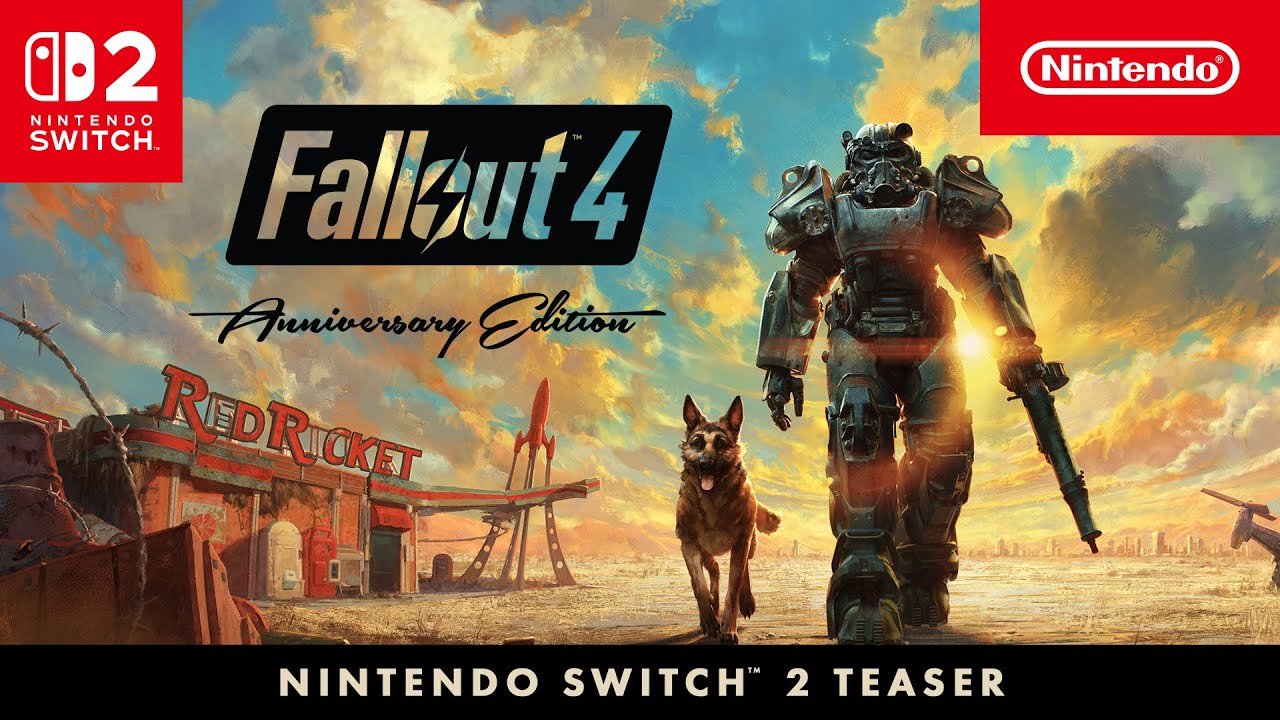
The company has started allowing different prices for some physical and digital Nintendo Switch 2 releases.
That is important because gamers have questioned digital pricing for years.
If a publisher saves money by distributing a game digitally, consumers naturally wonder why some of those savings aren’t reflected in the price.
A lower digital price could give players a genuine reason to choose digital beyond convenience.
It could also put pressure on other publishers to reconsider charging identical prices for physical and digital versions.
OUTBOUND LINK: In WordPress, highlight Nintendo Switch 2 above and link it to Nintendo’s official Switch 2 page.
Nintendo Games Can Stay Expensive for a Long Time
Nintendo presents another interesting pricing discussion.
Some of its biggest first-party games can maintain premium regular prices long after release.
That can be frustrating for gamers who are used to seeing older games from other publishers receive major discounts.
Nintendo does run promotions, and retailers can discount physical games independently.
However, waiting a year doesn’t necessarily mean the Nintendo game you want will suddenly become cheap.
That makes choosing when to buy a Nintendo game particularly important for budget-conscious players.
A strong Nintendo title may hold its value. However, that also means players looking for a bargain may have to wait much longer.
The Base Game Isn’t Always the Final Price
The purchase price is only part of the story.
Many games now offer deluxe editions, season passes, expansions, cosmetic packs and other additional content.
A game that already costs around $90 can quickly become a $120 or $150 purchase if a player wants the complete experience.
Microtransactions can push spending even further.
Not every game uses these systems, and optional content isn’t automatically bad.
The problem starts when players feel like the full-priced game they purchased is only the beginning of what they’re expected to spend.
A deluxe edition can also create another question.
Are players paying extra for meaningful additional content? Or are publishers removing desirable content from the standard edition to encourage a more expensive purchase?
That answer will depend on the game.
Digital Games Have Changed How We Think About Value
Digital distribution should have created opportunities for cheaper games.
In some areas, it has.
Digital storefronts frequently offer sales. Indie developers can also sell games without manufacturing physical copies.
Major releases can be different.
When a digital game launches at the same price as a physical copy, players lose several traditional options.
They generally can’t sell the game when they’re finished with it. They can’t trade it into a store. Lending it to a friend can also be difficult or impossible depending on the platform.
That means price isn’t the only factor.
What you receive for that price matters too.
Convenience has value, but ownership has value as well.
Subscriptions Can Save Money, But There Is a Catch
Gaming subscriptions have changed how players access games.
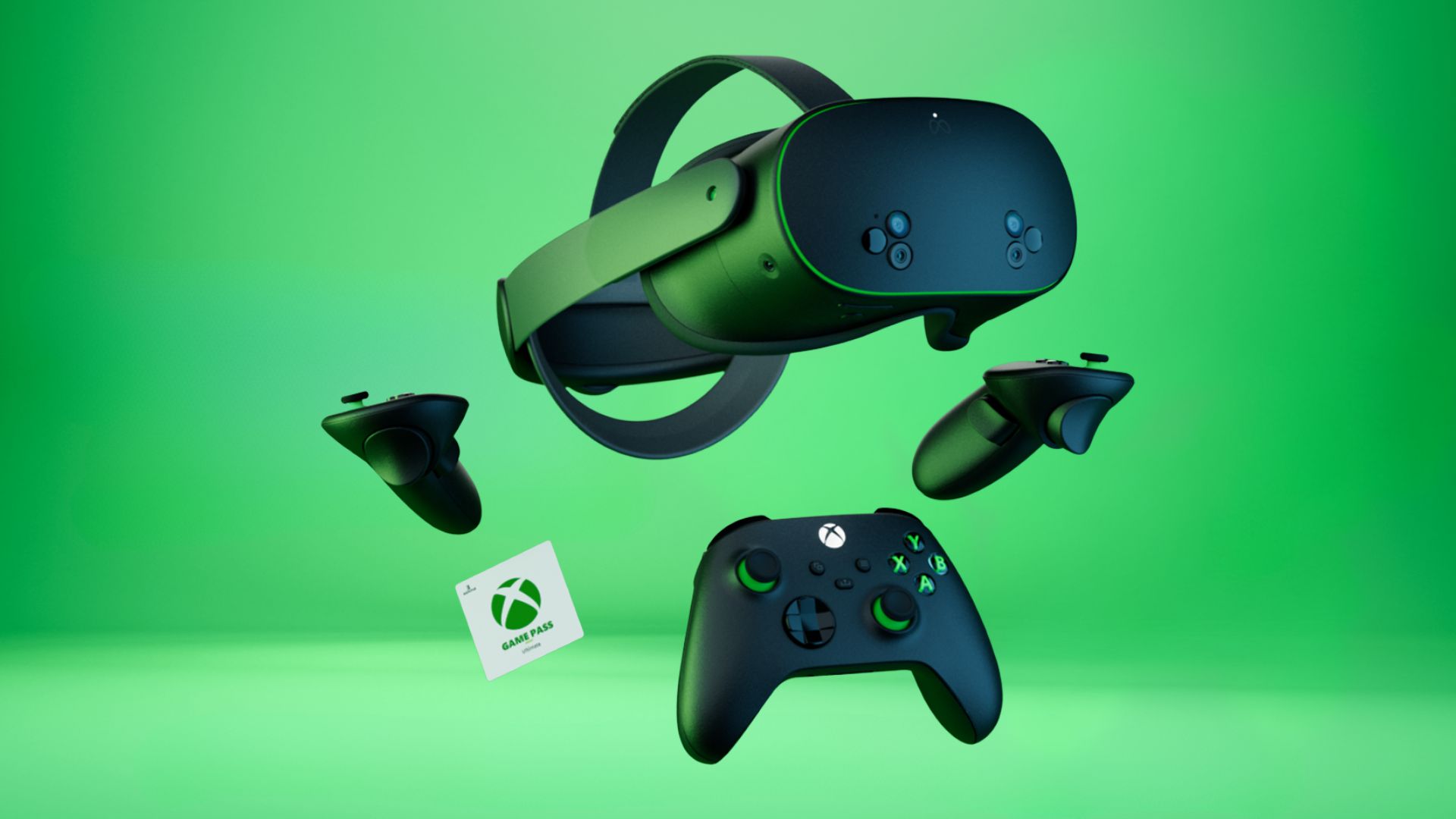
Services such as Xbox Game Pass and PlayStation Plus can give players access to large libraries through a recurring subscription.
For someone who plays many different games, that can provide excellent value.
Instead of spending hundreds of dollars buying several games individually, players can try multiple titles through one service.
However, there is a catch.
You’re paying for access rather than building a permanent collection.
Games can leave subscription libraries. Cancelling your subscription can also remove access to titles you haven’t purchased separately.
Subscriptions can lower the cost of playing games without necessarily improving ownership.
Waiting for Sales Makes More Sense Than Ever
There was once enormous pressure to buy games on release day.
That isn’t always necessary anymore.
Games frequently receive patches after launch. Complete editions may arrive later. Discounts can make expensive games much easier to justify.
Unless you’re excited enough to play immediately, waiting can be one of the easiest ways to reduce gaming costs.
A $90 game doesn’t necessarily need to be a $90 purchase.
There are exceptions.
Nintendo’s first-party catalogue can be tougher because its major games don’t always receive the aggressive permanent price reductions players may expect elsewhere.
For many other games, waiting several months can result in a much better deal.
Are Games Actually Too Expensive?
That depends on the game.
A fantastic game that provides dozens or even hundreds of hours of entertainment can still represent good value at full price.
A disappointing $100 release can feel expensive almost immediately.
Development costs have increased, and publishers have legitimate reasons for reconsidering prices.
Consumers also have legitimate reasons to question those prices.
That is especially true when digital games can cost as much as physical copies while offering fewer options after the purchase.
Price increases also raise expectations.
If publishers want gamers to spend more, players will naturally expect better quality in return.
Gamers Are Becoming More Selective
Higher video game prices don’t necessarily mean people will stop gaming.
They may simply buy fewer games.
Players can wait for sales, use subscriptions, buy used physical copies or spend more time playing games they already own.
There are also thousands of older games competing for attention.
That puts more pressure on new releases.
When a game costs around $100, players have a reason to research it carefully before buying.
Publishers aren’t only competing against other new releases.
They’re competing against decades of games already sitting in people’s libraries.
How Much Is Too Much?
Looking at video game prices 2026, it’s easy to understand why players are becoming more selective about what they buy at launch.
Games can still provide tremendous entertainment value. However, there is a point where higher prices change consumer behaviour.
Canadian gamers seeing $90, $100 or even higher regular prices have every reason to think carefully before purchasing.
Digital distribution also raises a fair question.
If consumers aren’t receiving a disc, case or resaleable physical copy, should they always pay the same amount?
Nintendo experimenting with different physical and digital pricing shows that the two formats don’t necessarily need to cost the same.
Gaming isn’t becoming unaffordable overnight.
However, the days when players automatically bought every major release at launch may be disappearing.
When games cost this much, publishers need to convince players that they’re worth the price.
How much is too much for a standard video game?
Vote in the latest XP Melee poll and tell us the maximum you’d pay for a new release.
Two things you still need to do in WordPress
The article itself now handles the keyphrase introduction, density and subheading issues.
Yoast cannot detect an internal or outbound link until you actually make the text clickable. So make “physical and digital games” an internal link to your ownership article and “Nintendo Switch 2” an outbound link to Nintendo’s official site.
Also enter the SEO title, slug, meta description and image ALT text from the top into their actual WordPress/Yoast fields. Don’t paste those four fields into the article body.