







VR gaming has come a long way.
Early virtual reality headsets were expensive, complicated and often required a powerful gaming PC. The technology was exciting, but it wasn’t always practical for the average gamer.
In 2026, things look different.
Standalone headsets have made VR easier to access. PC VR still offers impressive experiences, while PlayStation VR2 gives PS5 owners another way to play.
But VR still requires an extra headset, and not every gamer enjoys wearing one.
So, is VR gaming actually worth it in 2026?
VR Is Easier to Get Into
One of the biggest improvements in VR has been accessibility.
Players no longer need a high-end gaming PC just to experience virtual reality.
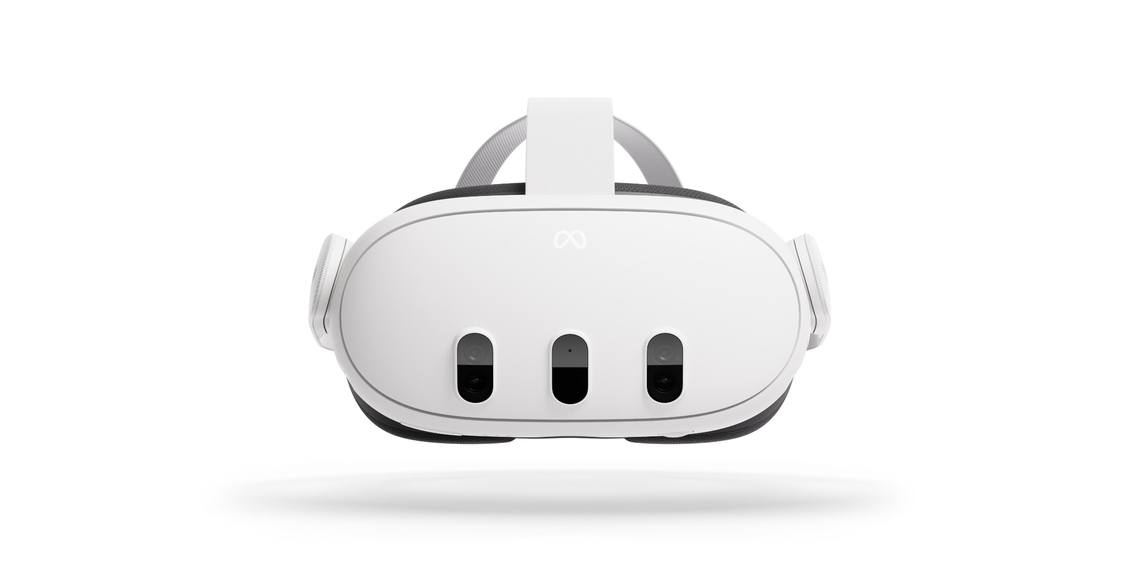
Standalone headsets can run games directly on the device. You put on the headset, grab the controllers and start playing.
PC VR remains another option for players who want more demanding games and higher-end graphics.
PlayStation VR2 also gives PS5 players a dedicated console VR experience. Sony now supports using PS VR2 with compatible PCs through its PC adapter as well.
That gives players more ways to experience VR than they had a few years ago.
Standalone VR Makes Things Simple
Standalone VR is probably the easiest way for most people to enter virtual reality.
You don’t need a console or gaming PC connected to the headset.
That makes VR feel more like its own gaming platform.
You can play games, watch entertainment and explore social experiences from the same device.
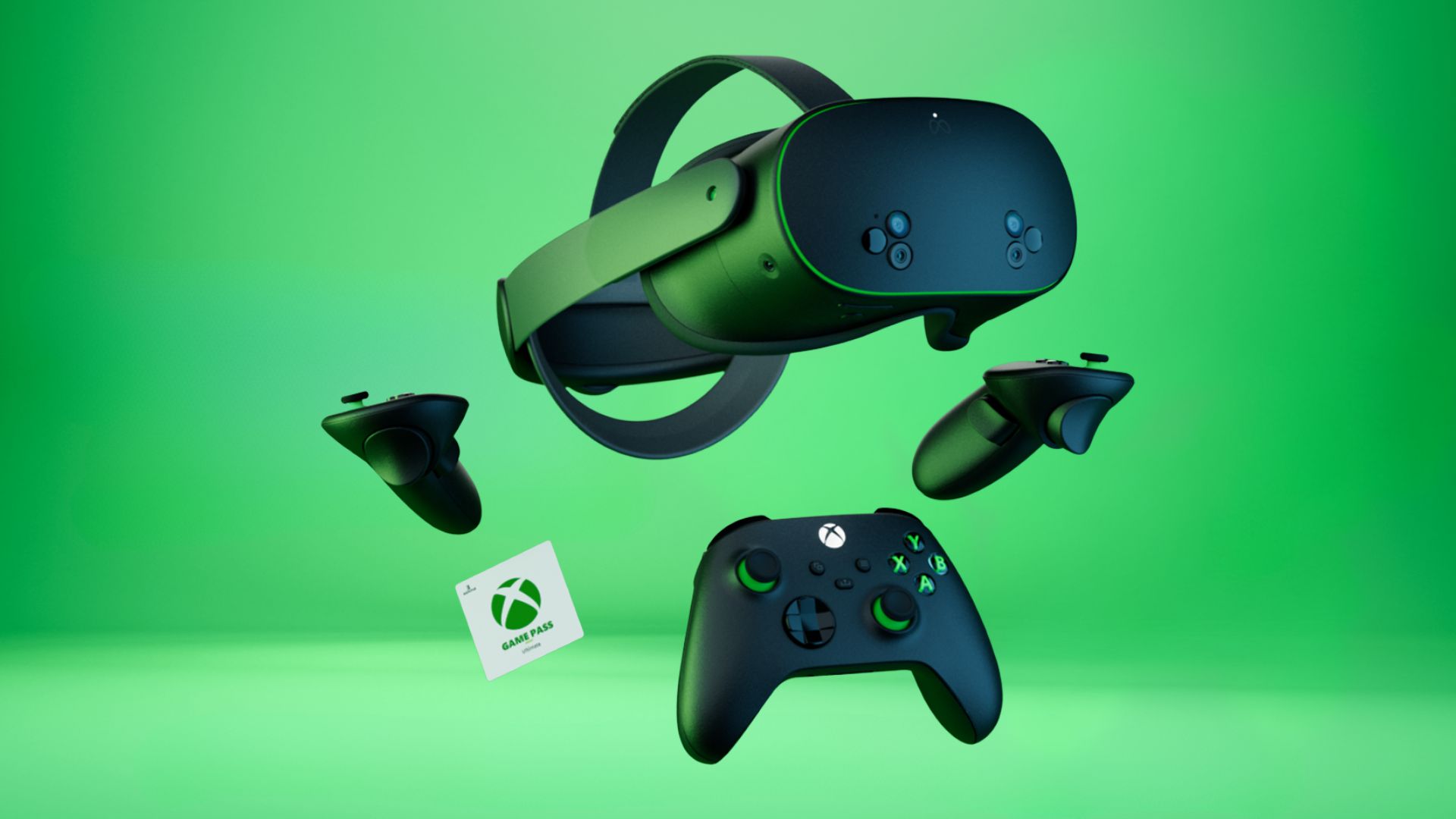
Some standalone headsets can also connect to a gaming PC. That gives players access to PC VR without needing a completely separate headset.
This flexibility is one of VR’s biggest advantages in 2026.
PC VR Still Offers More Power
Players looking for higher-end VR can still turn to PC gaming.
A powerful computer can deliver more detailed environments, better visual settings and access to Steam’s large VR library.
There are also several headset choices.
Valve’s July 2026 Steam Hardware Survey shows Quest 2 and Quest 3 as the two most commonly reported VR headsets among participating Steam users. Quest 3S, Valve Index and several other headsets also remain in use.
Even PS VR2 can now access SteamVR games through a compatible PC and Sony’s adapter.
However, PC VR can become expensive if you also need to upgrade your computer.
PlayStation VR2 Is Still a Strong Console Option
PS5 owners have another route into VR.
PlayStation VR2 uses an OLED display with a resolution of 2000 × 2040 per eye. It also supports 90Hz and 120Hz refresh rates, eye tracking and headset feedback.
The headset connects directly to a PS5 through USB-C.
Sony has also expanded its usefulness by adding PC support.
PC players need Sony’s PS VR2 PC adapter, a DisplayPort 1.4 cable and a compatible computer. Sony recommends an RTX 3060 or RX 6600 XT or better for the best performance.
That makes PS VR2 more flexible than it was when it first launched.
VR Games Feel Different From Regular Games
VR’s biggest selling point isn’t graphics.
It’s immersion.
Looking around a virtual environment with your own head creates an experience that a television or monitor can’t completely reproduce.
Motion controllers also allow players to interact with games differently.
You might physically aim a weapon, swing a sword, grab objects or move your hands through a virtual environment.
Racing and flight simulation can also benefit heavily from VR.
For the right game, the difference can be dramatic.
VR Still Has Some Problems
Virtual reality isn’t going to work for everyone.
Comfort remains one of its biggest challenges.
Some players experience motion sickness, headaches or eye strain. Others simply don’t enjoy wearing a headset for long gaming sessions.
VR also requires more physical space than traditional gaming in many situations.
Then there is the cost.
Buying a headset specifically for VR adds another expense on top of games, consoles and PC hardware.
Those drawbacks can make VR difficult to justify for someone who only plans to use it occasionally.
VR Works Best as a Second Gaming Platform
For most gamers, VR probably shouldn’t replace a console or gaming PC.
It works better alongside them.
Traditional gaming is still easier when you want to sit down and play for several hours. There is no headset to wear, play area to prepare or battery to think about.
VR offers something different.
It can provide experiences that traditional gaming cannot easily recreate.
That makes VR an interesting addition to a gaming setup rather than a replacement for everything else.
Who Should Buy a VR Headset?
VR makes the most sense for players who want something genuinely different from traditional gaming.
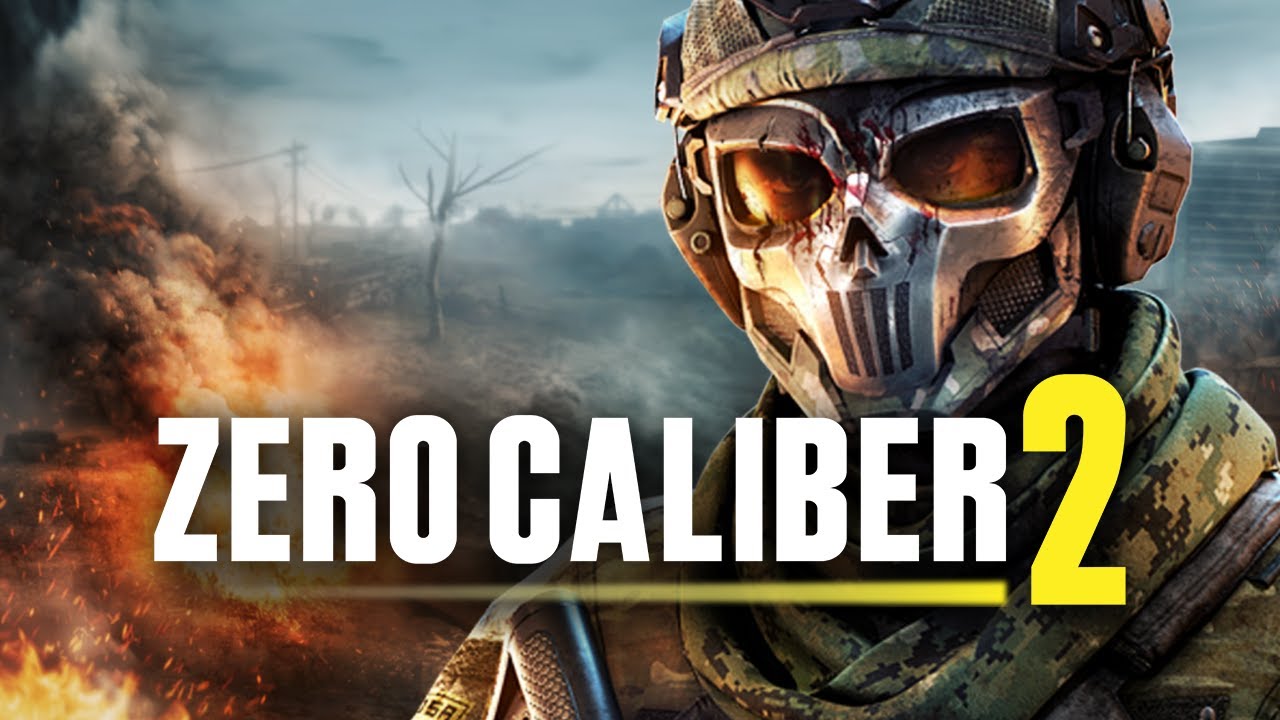
Fans of racing games, flight simulators, rhythm games, horror and first-person experiences may find plenty to enjoy.
It can also be worth considering if you already own a capable gaming PC or PS5.
However, casual players should think about how often they will actually use the headset.
A VR headset sitting in a closet isn’t a good investment regardless of how impressive the technology is.
Is VR Gaming Worth It in 2026?
For the right gamer, absolutely.
VR is easier to access than it once was. Standalone headsets have removed some of the biggest barriers, PC VR remains powerful, and PS VR2 now works across PS5 and compatible PCs.
The technology still isn’t for everyone.
Price, comfort and motion sickness remain real concerns. Traditional consoles and PCs also offer much larger libraries and easier everyday gaming.
But if you’ve been waiting for VR to mature, 2026 is a much better time to consider it.
VR doesn’t need to replace traditional gaming to be worth owning.
It simply needs to offer experiences you can’t get anywhere else.
Which VR headset or game would convince you to jump into virtual reality? Vote in the latest XP Melee poll and let us know.