


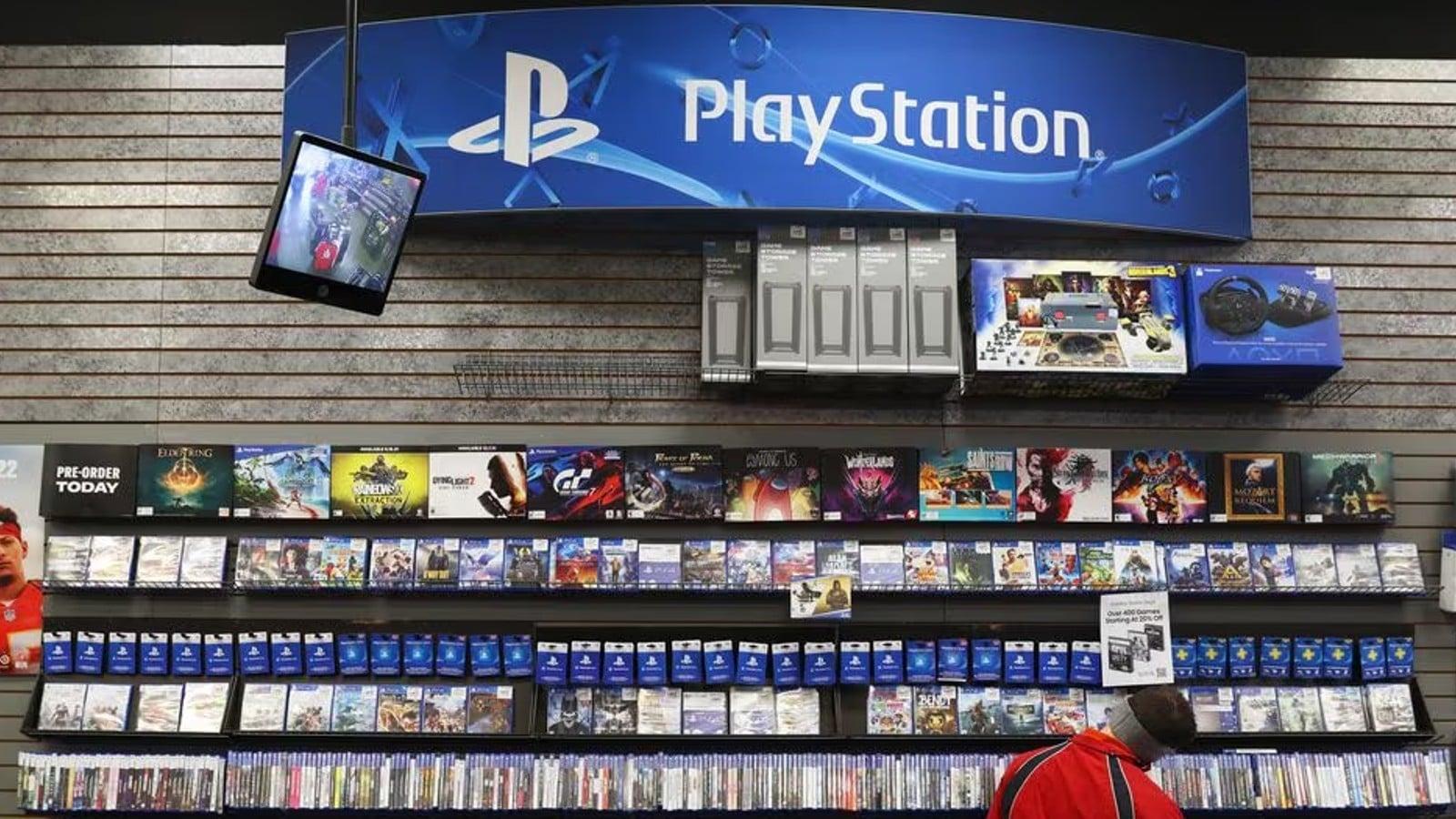






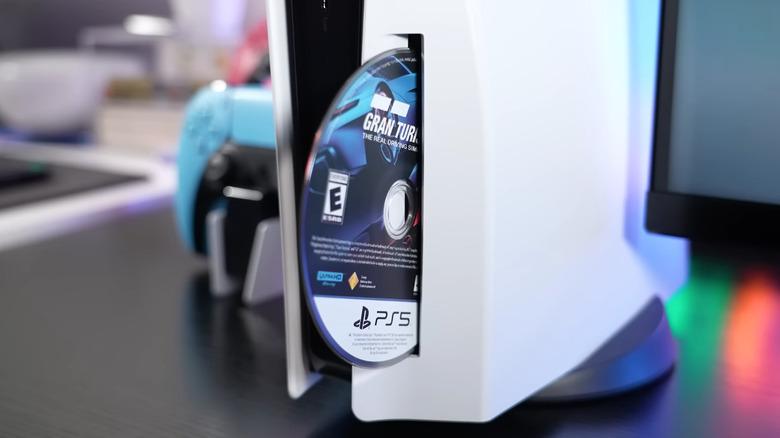
Sony’s announcement that it plans to stop producing physical PlayStation game discs for new releases beginning in 2028 has sparked one of the biggest gaming controversies in years. While digital gaming has become the dominant way people buy games, many PlayStation fans argue that removing physical media entirely takes away consumer choice.
Why Are Gamers Angry?
The backlash isn’t simply because players enjoy collecting game cases.
Many gamers are worried about what happens when you don’t actually own the game you’re paying for.
With a physical copy, you can:
- Sell it when you’re finished.
- Lend it to a friend.
- Keep it forever, even if it’s removed from online stores.
- Build a collection that isn’t tied to an account.
With digital purchases, players are essentially buying a license to access the game. If licensing agreements change or a title is removed, access can become more complicated than simply inserting a disc. Those concerns have fueled much of the current debate.
The Community Has Responded
The reaction has been massive.
A petition asking Sony to preserve physical media has attracted hundreds of thousands of signatures, and some fans have organized online boycotts and “PlayStation blackout” campaigns to show their frustration.
Many longtime PlayStation fans say they aren’t against digital games—they simply want the choice to buy either physical or digital copies.
Why Sony Is Moving Forward
From Sony’s perspective, the numbers are difficult to ignore.
Digital game sales now generate far more revenue than physical copies, and digital purchases eliminate manufacturing, shipping, retailer cuts, and used-game resale. Sony has said the decision reflects changing consumer habits and the industry’s ongoing shift toward digital distribution.
Digital gaming is convenient. Instant downloads, preloads, and no need to swap discs have obvious advantages.
But convenience shouldn’t replace choice.
Physical games still matter for collectors, game preservation, used-game buyers, and players with slower internet connections. Removing that option risks alienating a loyal part of the PlayStation community.
The future is almost certainly digital—but many gamers believe that future should arrive because players choose it, not because every other option disappears.